Services
Blood drug & alcohol testing for employers
Most workplace programs lean on urine, oral fluid, or breath. Blood is the right tool when your order, MRO path, or specialized protocol explicitly requires it.
Technical overview
Employer blood drug and alcohol testing is a venous blood specimen drawn under clinical and custody standards and analyzed only for the analytes and panels named on the authorized lab order—its meaning and windows follow methodology and medical review, not supervisor guesswork.
- Detection windows and sensitivity depend on the drug, dose, panel, and lab method; blood answers the requisition’s question within those limits and is not automatically interchangeable with urine or oral fluid timelines.
- Routine covered DOT drug tests under Part 40 specify urine or authorized oral fluid; blood does not replace those matrices unless qualified compliance advisors document a narrow, order-specific exception.
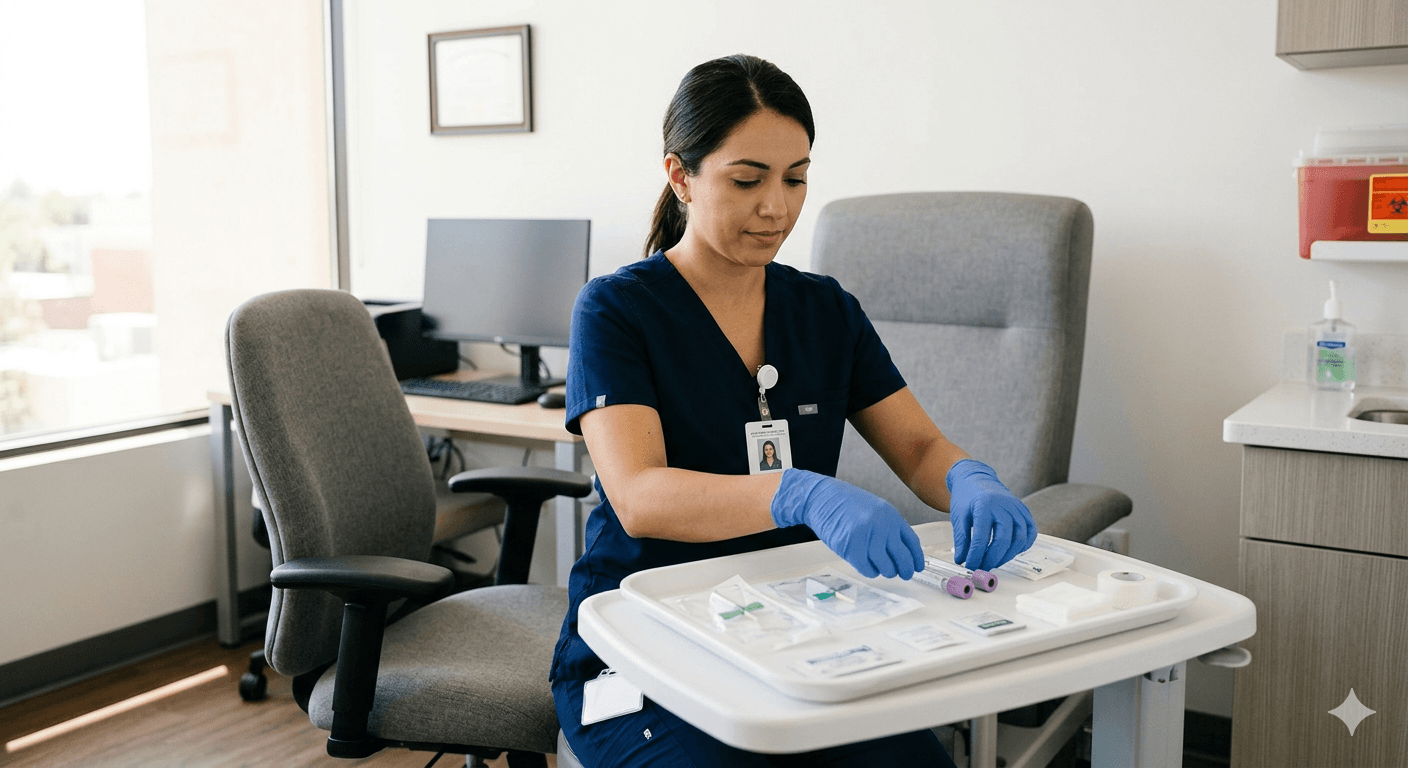
- Collection uses qualified phlebotomy with tube types, volumes, and labels that match the requisition, plus documented chain of custody to the laboratory’s courier or processing path.
Blood testing for drugs or alcohol means a phlebotomist or qualified clinician draws venous blood and sends specimens to the laboratory your program designates. It is less common than urine or oral fluid for day-to-day U.S. workplace screens, but it still appears in post-accident medical workups, some legal directives, specialized panels, and occupational-health pathways.
We coordinate collection logistics and custody forms so HR and safety teams are not improvising clinic referrals. Feasibility depends on geography, medical licensing rules, and whether your site can host a draw—share those details in your quote request. Compare specialized alcohol markers with PEth alcohol testing when your order contemplates phosphatidylethanol.
What employer blood drug and alcohol testing is
A blood draw produces serum or whole blood for laboratory analysis—panels, drugs of abuse, alcohol markers like PEth, or other analytes depend entirely on the lab requisition. Collections must follow clinical and chain-of-custody standards appropriate to the test type.
Blood is not automatically “more accurate” for every drug question; it answers what the lab order asks, within detection windows and methodology limits your TPA or physician explains.
When employers typically order blood testing
Medical evaluation after incidents when emergency care already involved blood draws, specialized monitoring programs, certain professional board or aviation medical requirements, and occasional counsel-driven directives. Some confirmation or add-on testing paths may also specify blood—follow your administrator’s instructions exactly.
Routine non-DOT random drug screens rarely default to blood because of cost, invasiveness, and logistics. If you are considering blood for broad screening, review policy impact with counsel first.
Who this is for
Occupational health teams, aviation and maritime medical programs, employers supporting professional monitoring, and HR escalations where counsel has specified blood. Frontline supervisors should not invent blood orders—routing through your TPA or physician keeps the file coherent.
What to expect during a workplace blood draw
Donors should expect identity verification, a clinical explanation of tube types, a controlled draw environment, and sealed labels that match the requisition. Employers should provide a clean, low-traffic room and quick access to hand-washing or privacy as the protocol requires.
If your order includes fasting or time-of-day rules, communicate them before the collector arrives—surprise scheduling can void a draw.
Why on-site or coordinated mobile phlebotomy helps
Sending employees to random walk-in labs creates scheduling leaks and documentation gaps. A coordinated visit brings predictable start times, consistent custody paperwork, and HR visibility when policy allows on-site draws.
For multi-location employers, central scheduling with your TPA’s lab network avoids each site inventing its own phlebotomy relationship.
How blood collections work with us at a high level
You provide the lab order, fasting or prep rules, and shipping instructions. We confirm donor identity, perform or supervise the draw per protocol, label tubes, complete custody documentation, and release specimens to the courier path your lab requires.
If draws must occur in a clinical setting per your order, we align on the approved location list rather than improvising.
Industries and situations that use blood specimens
Healthcare occupational health departments, energy and industrial employers with robust medical surveillance, aviation and maritime programs with specialized medical oversight, and employers supporting employees under formal monitoring. Post-accident scenarios sometimes intersect with hospital draws—coordination with medical staff and counsel is essential.
How blood fits DOT and broader workplace programs
DOT-regulated drug tests specify urine or authorized oral fluid for covered drug tests; blood is not a substitute for those DOT drug test requirements unless your qualified advisors state otherwise for a narrow scenario. DOT alcohol testing uses breath/saliva procedures under Part 40—not a PEth or generic blood alcohol screen as a replacement.
Non-DOT employers use blood when policy and medical partners authorize it. Keep specimen choices explicit in your handbook so supervisors do not order the wrong matrix under pressure.
Related reading
Common questions
- Do you offer mobile blood collection for employer testing programs?
OnSite Employer Testing provides coordinated mobile and on-site phlebotomy when your lab order, medical licensing, and site access allow a safe draw—we do not treat blood collection as available in every zip code without intake.
- Is workplace blood testing available in the same regions as your published employer service areas?
Often, yes, for addresses that fall within counties we highlight and where routing is realistic; blood draws still need clinical clearance and may differ from urine or oral fluid logistics. Read service areas before you promise internal deadlines.
- When should an employer choose general blood testing versus PEth?
Follow the requisition: general blood drug panels answer different questions than phosphatidylethanol assays. Do not substitute one for the other without written medical and legal alignment; see PEth alcohol testing when PEth is in scope.
- Can blood substitute for a DOT urine or oral fluid drug test?
Not for routine covered DOT drug tests under Part 40 unless qualified compliance advisors document a rare exception. Keep regulated collections on the specimen the regulation expects.
- How does OnSite Employer Testing reduce downtime during employer blood draws?
We schedule defined windows, stage a private room, and complete custody at the employer location when allowed so employees are not scattered to walk-in labs mid-shift.
- What information do you need to quote mobile blood collection?
Site addresses, the lab order or panel name, fasting rules, and whether On-site & mobile drug testing is already part of your program—those details determine staffing and paperwork.
Request a quote for this program
Share DOT or non-DOT context, sites, headcount, and timelines. We confirm logistics, specimen type, and documentation expectations with your DER or TPA before collection day.